
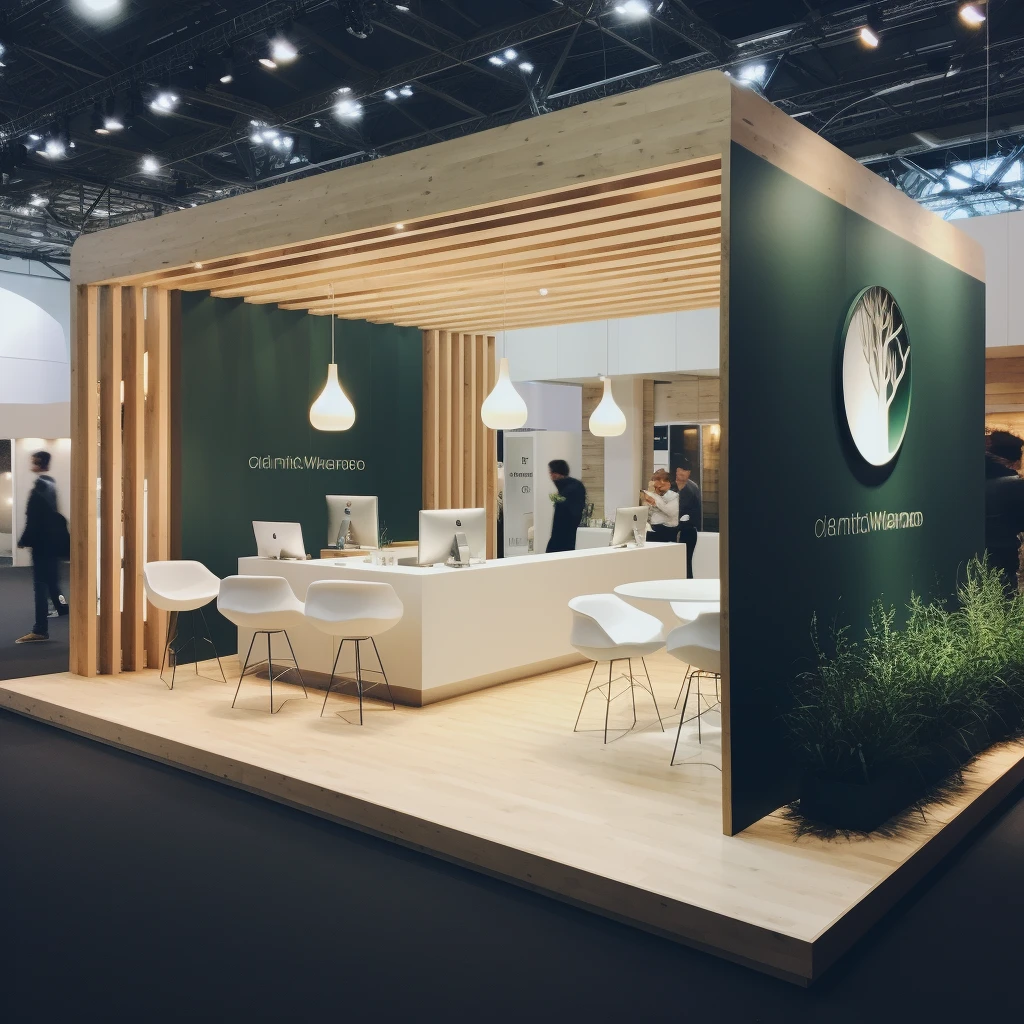
Trade Show Booth Design needs a venue-aware plan that keeps booth execution, labor, freight, graphics, AV, and show-site control moving on the same schedule from kickoff through strike.
Execution priorities
A serious plan for the design should therefore cover scheduling discipline, venue approvals, installation and dismantle, graphics production, power and AV planning, storage, reuse, and show-site supervision with enough specificity that the field team knows how the room is supposed to behave before move-in begins.
The strongest Tulsa projects also stay realistic about what the room can absorb. Some events can support a more ambitious custom build, a larger AV package, and more layered staffing. Others will perform better with a faster installation path, simpler support systems, and a footprint that is easier to supervise. The right answer depends on the venue, the audience, the budget, and the amount of pressure around move-in and strike. That is why the planning conversation needs commercial discipline as much as creative ambition.
Where Tulsa shows actually happen
Every Tulsa show takes place in a specific building with its own rules. The venues below come up most often on our production calendar.
Across the Tulsa venue set, what changes between buildings are the labor model, the rigging approval path, the drayage setup, and the published move-in window. The plan has to match the specific building.
Stoney Creek Hotel Broken Arrow is one of the anchors. The ballroom measures 92 by 126 feet and can host up to 1,320 banquet guests or 630 classroom attendees.
The Stone room at 39 by 66 feet and the Wood room at 36 by 42 feet, plus on-site coordinators, AV equipment, Wi-Fi, parking, and setup / teardown support.
Glenpool Conference Center. The City of Glenpool's official conference-center sections say the venue was designed for parties and events ranging from 5 to 500 people.
BOK Center Private Events: the downtown arena seats 19,199 and hosts more than 50 ticketed events per year.
Who handles what during the Tulsa install window
There is no single labor model for Tulsa trade shows. The right approach depends on the specific venue and the show organizer's contracts.
Practically, that means pulling the current exhibitor manual for every show and confirming a handful of items in writing: which tasks the venue's house crews cover, which tasks the show's general contractor covers, and what an exhibitor or their appointed contractor can handle without escalation.
Arvest Convention Center: Arvest's exhibitor sections say any vehicle brought onto the exhibit hall floor requires a vehicle waiver and exhibitors must coordinate freight, marshaling, and move-in details with venue operations.
Tulsa labor and venue services vary by building, organizer, and event format, so the current exhibitor kit and venue instructions should guide the final install and show-services plan.
The main Tulsa event areas
expo-square-district, midtown-tulsa, cherry-street, east-tulsa form the Expo Square / Midtown Event District cluster. Expo Square creates a genuine fairgrounds and expo district, and midtown hospitality helps support meetings, receptions, and off-site programming around those buildings.
South River Corridor — south-tulsa, riverside-corridor, jenks — is a different environment.
Scope on a trade show booth design project
A full engagement covers scope development, fabrication or rental, graphics, show services, logistics, and on-site execution from move-in through dismantle.
Individual projects layer or remove items based on scope.
a bad one has many, because they weren't.
From first call to strike
First step on any project is pinning down the show, the floor plan, the deadlines, and what success actually looks like. Everything downstream hinges on those answers.
Venue coordination comes next. That means pulling the current exhibitor manual, confirming dock and freight windows, submitting rigging approvals where needed, and placing utility orders against the building's published specs.
With venue details locked, production runs. Build, print, AV integration, rentals, and the on-site lead's playbook all come together in this phase.
The install phase has one owner on the floor. That person handles the labor calls, the graphics questions, the sequence adjustments, and the daily update.
During show hours, the booth is a live operating space. The on-site team handles repairs, sponsor requests, lead-capture issues, and any venue questions so the client's staff can focus on conversations.
After the show, strike runs against the venue's posted window, and a same-day debrief captures what held and what needs to change before the next date.
Cost and lead time
Pricing is driven by real line items: fabrication or rental, graphics, show services, labor, freight, and travel where it applies. Round numbers without that breakdown usually hide something.
The levers that matter: build path (custom, rental, or hybrid), footprint, venue service fees, graphics, freight, and supervision days. A 10x10 turnkey rental and a 30x50 custom island with a double deck are entirely different projects.
A clean schedule starts 4 to 5 months out for custom work and 2 to 3 months for rentals. Shorter lead times are workable but push rush premiums and limit material choices.
What a successful project looks like
A successful project in Tulsa looks like a booth that lands on time, passes venue inspection on the first walk, runs without incident through show hours, and ships out the same day it strikes.
Exhibitors who measure programs seriously track leads, floor-booked meetings, and post-show pipeline. The build and the install are upstream inputs to those KPIs.
Client teams sometimes want the booth to carry the pipeline on its own, but the best-performing programs treat the booth as a platform and put real teams on it. On-floor conversation discipline moves the KPIs more than any scenic decision.
Why Trade Show Services of Tulsa
Trade Show Services of Tulsa operates out of Tulsa with a full in-house production shop. Custom fabrication, rental inventory, graphics production, and show-site labor live under one roof.
The difference from a national vendor shows up at the dock. A local team with an in-house shop can solve most install-day problems in the time it takes to drive back to the building with the right part.
Over a multi-show calendar, the compound value of a single team shows up in fewer surprises. The second install is faster than the first, the third is faster than the second, and by the fourth the project runs on memory and documentation rather than first-principles planning.
Tulsa as a trade show city
Trade shows in Tulsa move fast. Major venues book out months in advance, freight windows run tight, and the exhibitors who win their weeks are the ones who arrive with a plan already in hand.
Trade show weeks in Tulsa compress decisions.
the region reached 1,480 new business formations in 2022, the highest number in more than a decade, and leads Oklahoma in high-tech job intensity at 3.4 percent of employment.
the regional economic-development partnership helped generate more than $7.3 billion in investment and supported 2,639 jobs in 2025 across northeast Oklahoma — a useful reference point when sizing a project.