
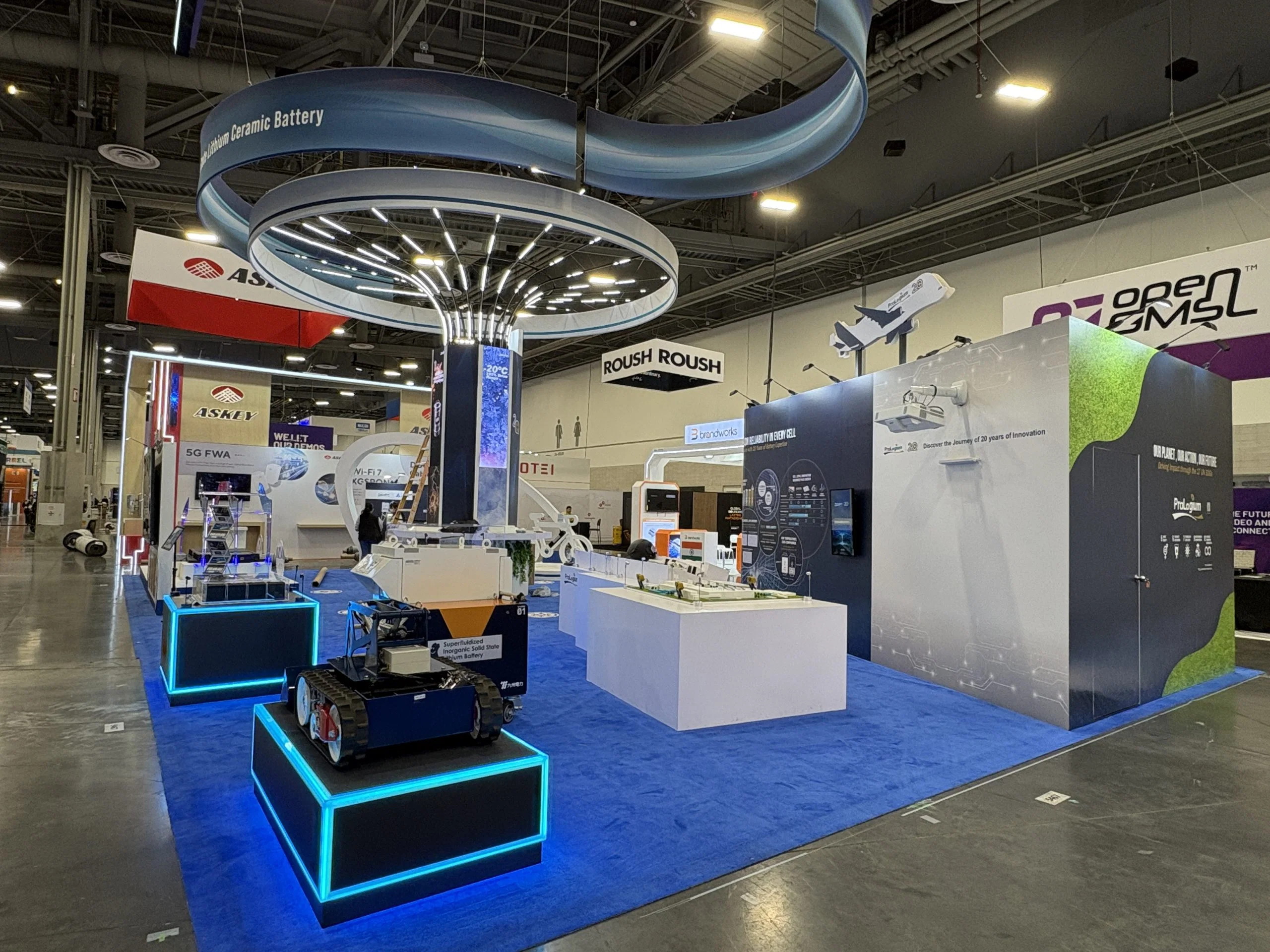
Exhibitor-Appointed Contractor Coordination needs a venue-aware plan that keeps booth execution, labor, freight, graphics, AV, and show-site control moving on the same schedule from kickoff through strike.
Execution priorities
Exhibitor-Appointed Contractor Coordination in Tulsa, OK becomes easier to evaluate when the venue, the booth behavior, the freight path, the labor sequence, and the commercial objective are considered together instead of as separate decisions.
A serious plan for the coordination should therefore cover scheduling discipline, venue approvals, installation and dismantle, graphics production, power and AV planning, storage, reuse, and show-site supervision with enough specificity that the field team knows how the room is supposed to behave before move-in begins.
The coordination only works when those priorities are reconciled early enough that the booth, the service mix, and the day-of schedule are not arguing with each other once freight is already moving.
Tulsa venues we work
Tulsa events cluster around a small number of venues, and each one has a different personality on the floor.
A venue walk — either in person or via the published floor plan — is the step that reveals constraints no spec sheet shows. Column spacing, real ceiling height at the grid point, and dock access shape what's actually buildable.
Hard Rock Hotel & Casino Tulsa is one of the anchors. The resort offers convention center space, Hard Rock Live, outdoor event space, the Sky Room, and seventh-floor boardroom options for meetings and events.
The Sequoyah Ballroom contains more than 15,000 square feet divisible into six sections and the Multi-Purpose Room adds roughly 6,700 square feet, alongside multiple breakout rooms and resort amenities.
Stoney Creek Hotel Broken Arrow: the ballroom measures 92 by 126 feet and can host up to 1,320 banquet guests or 630 classroom attendees.
Glenpool Conference Center. The City of Glenpool's official conference-center sections say the venue was designed for parties and events ranging from 5 to 500 people.
Operational rules on the Tulsa floor
Tulsa floor operations follow the venue's own manual. Dock timing, utility orders, rigging, and crew calls all come out of that document.
On most Tulsa shows, the labor plan takes one call with the venue's exhibitor services desk, one review of the current manual, and one email to the general contractor. Skipping any of those three is usually where problems start.
River Spirit Casino Resort — the resort provides state-of-the-art AV equipment plus a full-service banquets and catering team for meeting and event programs.
Practical planning rules for the coordination in Tulsa: Tulsa labor and venue services vary by building, organizer, and event format, so the current exhibitor kit and venue instructions should guide the final install and show-services plan. Utilities, rigging, AV support, catering, and event staffing are often routed through the venue's own ordering system or sales team rather than handled as open assumptions.
Where Tulsa shows cluster
North, West, and Satellite Markets covers owasso, collinsville, skiatook, sand-springs. These markets extend the site's service radius into real northeastern Oklahoma demand centers without pretending every lead belongs downtown.
East Corridor / Broken Arrow / Catoosa runs across broken-arrow, rose-district, catoosa. This is the practical east-side event and logistics corridor, combining suburban hotels, destination casinos, industrial access, and room-to-grow meeting inventory.
Scope on a exhibitor-appointed contractor coordination project
Project scope usually spans design, fabrication, graphics, AV, labor coordination, freight, install, show-hours support, and strike.
Typical line items include booth structure (custom or rental), graphics and print, AV and lighting, show-service orders (power, internet, rigging), labor calls against the venue's rules, freight both ways, on-site supervision, and post-show closeout documentation.
A well-run project has few surprises on install day because the handoffs upstream were tight. A bad one has many, because they weren't.
For programs that repeat, asset management becomes part of the engagement — storage, graphic rotation, refurbishment, and re-crating are planned rather than one-off.
Out of scope by default are show organizer fees, booth lease costs paid directly to the show, staff travel and per diems, and any custom software or data-capture tooling the client runs on its own stack. Those stay on the client side and plug into the project through coordination, not rebilling.
What an engagement actually looks like
First step on any project is pinning down the show, the floor plan, the deadlines, and what success actually looks like. Everything downstream hinges on those answers.
Once scope is clear, the venue work begins. Exhibitor manual, dock times, utility order IDs, rigging submissions for hanging elements, and labor calls all get locked against the venue's actual rules.
Production covers fabrication, graphics, AV spec, rentals, and crew chief assignment. It is the longest phase of most projects and the one where timelines are either protected or lost.
The install phase has one owner on the floor. That person handles the labor calls, the graphics questions, the sequence adjustments, and the daily update.
Show-hours coverage is part of every engagement — not a premium add-on. On-floor support keeps the booth running while the client team runs the pipeline.
Strike and closeout happen the same day. Storage labels, outbound manifests, vendor performance notes, and a written debrief go out within 24 hours of doors closing.
Pricing and scheduling
An honest quote itemizes the variables. There is not a single price — there is a configuration.
Six variables drive the cost: custom versus rental, booth footprint and complexity, venue-specific labor and rigging fees, graphics scope and substrate, freight distance and timing, and the number of on-site supervision days.
A clean schedule starts 4 to 5 months out for custom work and 2 to 3 months for rentals. Shorter lead times are workable but push rush premiums and limit material choices.
How project performance gets measured
A project runs well when install clears the venue's published window, all show services land as ordered, the booth performs across every show day without pulling the client team off pipeline work, and strike clears the dock before the next occupant loads in.
Most programs in Tulsa are evaluated on lead-capture volume, meetings booked on the floor, and qualified-pipeline attribution after the show. The booth is a means to those numbers — it is not the number itself.
Client teams sometimes want the booth to carry the pipeline on its own, but the best-performing programs treat the booth as a platform and put real teams on it. On-floor conversation discipline moves the KPIs more than any scenic decision.
What makes our work different
Trade Show Services of Tulsa operates out of Tulsa with a full in-house production shop. Custom fabrication, rental inventory, graphics production, and show-site labor live under one roof.
Local fabrication means real-time problem-solving. A graphic that needs to be reprinted at 6 a.m. On install day is a same-morning fix, not a three-day shipping delay.
Consistency across show dates is the other reason to hire local. The same crew that built the booth runs the install, knows the pack-out, and catches the small things — a missing hardware pack, a graphic edge that needs reseating, a storage crate routed to the wrong bay — without needing the client team to intervene.
What drives the Tulsa calendar
Tulsa is a working trade show market. Its anchor venues host hundreds of events a year, and the rhythm of load-in, show hours, and strike is well-established across the local vendor base.
Trade show weeks in Tulsa compress decisions. Dock windows are finite, rigging slots fill fast, and the labor calendar around a citywide conference runs hot. Exhibitors who treat planning as optional lose time they don't get back.
SageNet Center alone spans 448,000 square feet with 354,000 square feet of clear-span space, giving Tulsa a second major event cluster beyond downtown hotels and the convention center.
Fly Tulsa announced new Alaska Airlines nonstop service to Seattle and San Diego launching in spring 2026, expanding west-coast access for event attendees and exhibitors, which sets the practical ceiling for a booth program working the market.