
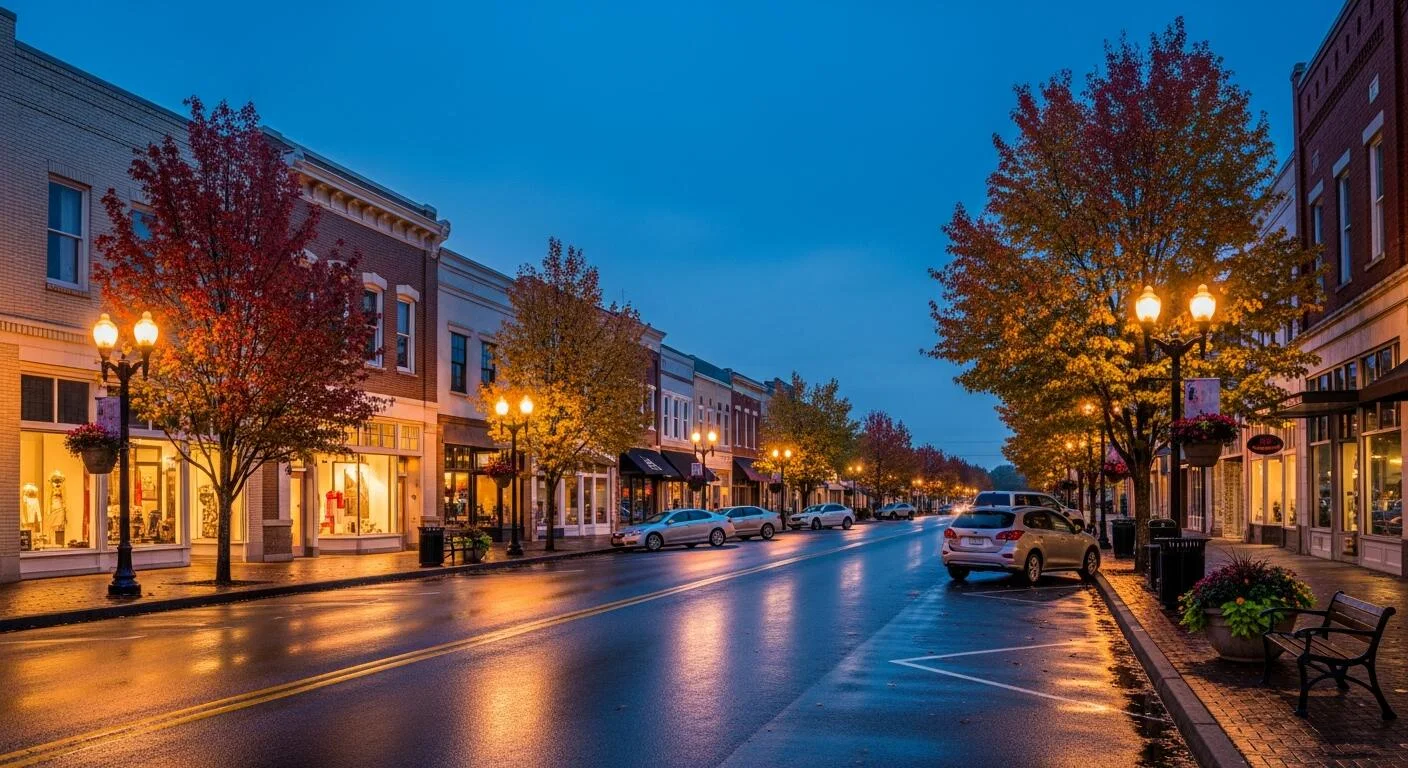
Rose District needs a venue-aware plan that keeps booth execution, labor, freight, graphics, AV, and show-site control moving on the same schedule from kickoff through strike.
Execution priorities
A serious plan for the district should therefore cover scheduling discipline, venue approvals, installation and dismantle, graphics production, power and AV planning, storage, reuse, and show-site supervision with enough specificity that the field team knows how the room is supposed to behave before move-in begins.
The strongest Tulsa projects also stay realistic about what the room can absorb. Some events can support a more ambitious custom build, a larger AV package, and more layered staffing. Others will perform better with a faster installation path, simpler support systems, and a footprint that is easier to supervise. The right answer depends on the venue, the audience, the budget, and the amount of pressure around move-in and strike. That is why the planning conversation needs commercial discipline as much as creative ambition.
About Rose District
Rose District sits in the Broken Arrow area.
Production for the district shows starts with the same brief we run for the rest of Tulsa: venue specifics, show dates, footprint, outcome. Freight paths and local vendor availability are the variables that shift from the city core.
Tulsa labor and venue services
At Expo Square, internet, network support, and show-technology needs are ordered through Expo Square's technology team, and phone and cable service run through designated local-provider coordination.
Utilities, rigging, AV support, catering, and event staffing are often routed through the venue's own ordering system or sales team rather than handled as open assumptions. Downtown convention-center work, Expo Square fairgrounds work, and resort-casino work should not be described as if they share the same operating model.
Tulsa convention venues and meeting properties
the plan has to match the specific building.
Stoney Creek Hotel Broken Arrow: the ballroom measures 92 by 126 feet and can host up to 1,320 banquet guests or 630 classroom attendees.
Glenpool Conference Center is one of the anchors.
BOK Center Private Events. The downtown arena seats 19,199 and hosts more than 50 ticketed events per year.
Tulsa trade show market
Trade shows in Tulsa move fast.
Fly Tulsa also announced Tulsa International Airport's first-ever commercial international service to Cancun beginning May 21, 2026, reinforcing the airport's growth and destination relevance, which sets the practical ceiling for a booth program working the market.
What's included in the project scope
Individual projects layer or remove items based on scope.
Scope boundary is as important as scope inclusion.
The process from start to finish
Everything downstream hinges on those answers.
Venue coordination comes next.
With venue details locked, production runs.
The install phase has one owner on the floor.
During show hours, the booth is a live operating space.
Budget and timeline
The levers that matter: build path (custom, rental, or hybrid), footprint, venue service fees, graphics, freight, and supervision days. A 10x10 turnkey rental and a 30x50 custom island with a double deck are entirely different projects.
A clean schedule starts 4 to 5 months out for custom work and 2 to 3 months for rentals. Shorter lead times are workable but push rush premiums and limit material choices.
Outcomes we optimize for
Exhibitors who measure programs seriously track leads, floor-booked meetings, and post-show pipeline. The build and the install are upstream inputs to those KPIs.
Client teams sometimes want the booth to carry the pipeline on its own, but the best-performing programs treat the booth as a platform and put real teams on it. On-floor conversation discipline moves the KPIs more than any scenic decision.
The advantage of a local Tulsa team
The difference from a national vendor shows up at the dock.
Over a multi-show calendar, the compound value of a single team shows up in fewer surprises. The second install is faster than the first, the third is faster than the second, and by the fourth the project runs on memory and documentation rather than first-principles planning.